Certification Number
003
Category
Location
2-1-1 Katahira, Aoba Ward, Sendai City, Miyagi Prefecture
Owner/Administrator
Institute for Materials Research, Tohoku University
Scope and Content
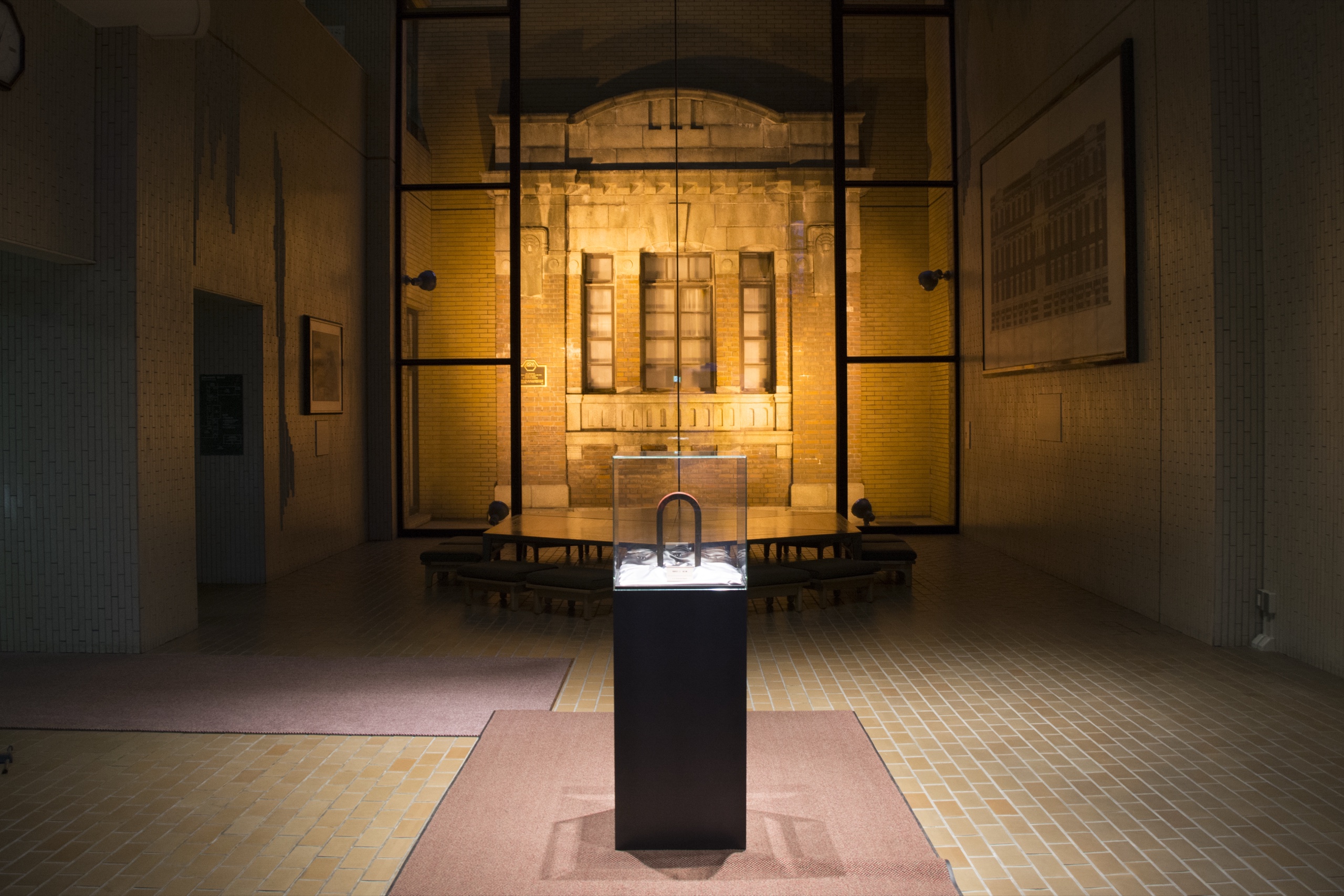
Facade and Commemorative Plaque of the Former Building No. 1 at the Institute of Metal Research
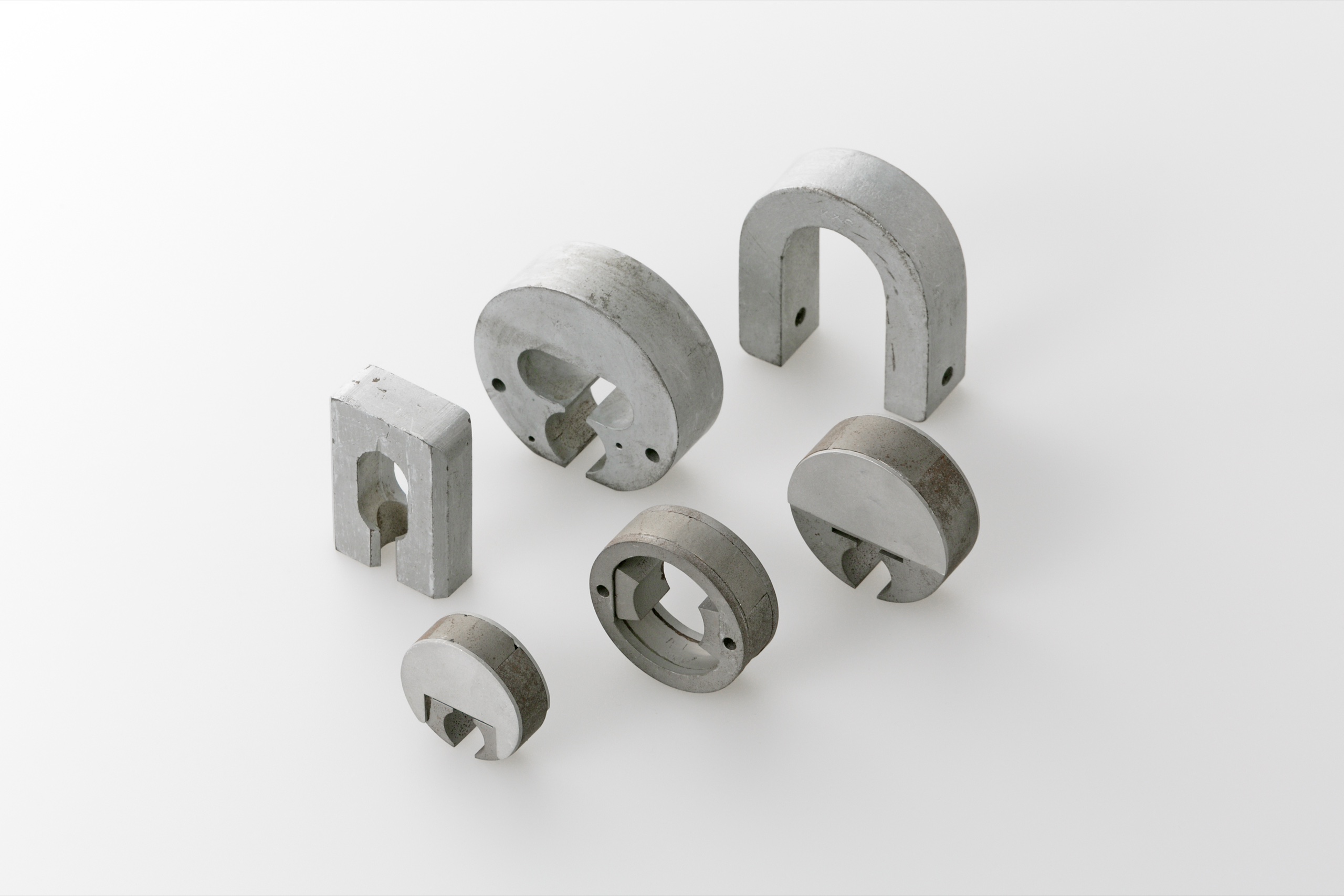
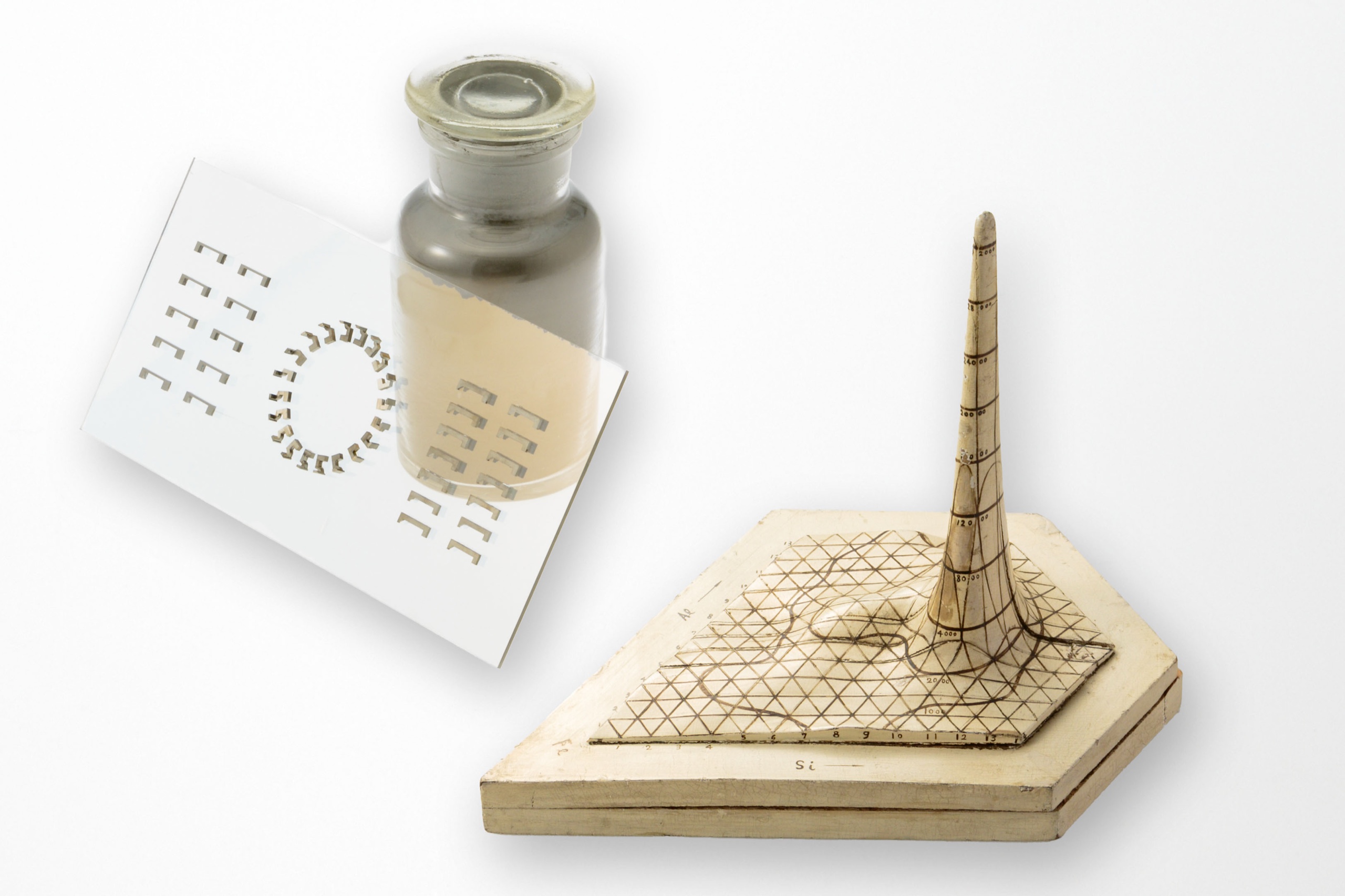
KS magnetic steel, Sendust alloys, and a three-dimensional phase diagram model of magnetic permeability; a magnetic balance; Kotaro Honda’s collection of laboratory notebooks; and other items (from the Honda Memorial Hall’s Honda Memorial Room and Exhibition Room)
Era
1916–1945
Designation as Cultural Properties, etc.
・ASM Historical Landmarks (ASM International, 1988)
・National Museum of Nature and Science: Designated as an Important Historical Material in Science and Technology (Future Technology Heritage)—“Dendritic Titanium Crystals” (September 2011)
・Registered Tangible Cultural Property (Structure): “Honda Memorial Hall (completed in 1941)” (October 2021)
Reasons for Certification
The Institute for Materials Research at Tohoku University was founded by Kotaro Honda, who introduced a physical perspective to metallurgy, and has produced numerous achievements in solid-state physics and magnetic physics through precise experimental measurements. This site is a monumental historical landmark in physics and materials science that underpins today’s advanced information society from its very foundations; it also contains a collection of materials that convey the nature of research conducted from the Taisho era through the early Showa era.
Photographs
Image
Description
Explanation
The Institute for Materials Research at Tohoku University (formerly the Second Department of the Provisional RIKEN Institute) was founded by Kotaro Honda. In contrast to the empirical and phenomenological metallurgy of the time, Honda introduced “Physical Metallurgy” to Japan, incorporating microscopic physical perspectives—such as magnetic analysis and structural observation—into experimental research.In 1916, Honda and Hiroshi Takagi invented “KS magnet steel,” the world’s first artificially synthesized permanent magnet. This invention was a groundbreaking achievement that dramatically improved magnetic properties through controlled composition of an iron alloy containing cobalt, tungsten, and chromium, and it garnered widespread attention at the time as the world’s strongest permanent magnet.
From the perspective of “metallurgical physics,” a significant achievement in the physics of materials was the experimental demonstration of “crystalline magnetic anisotropy” in iron and other materials by Honda and Seiji Kaya in 1926. Through precise experimental studies using single crystals, they were the first in the world to clarify the dependence of magnetization on the crystal orientation in ferromagnetic materials.This pioneering achievement has become a timeless milestone, still featured in textbooks on solid-state physics and magnetic physics today.This empirically grounded academic foundation paved the way for subsequent developments, ranging from the invention of “Sendust,” a soft magnetic material with high magnetic permeability (1932, Ryo Masumoto, Institute for Metal Research, Tohoku University), to samarium-cobalt magnets (early 1970s, Yoshio Tawara, Ph.D. in Science, Tohoku University, 1967),to neodymium magnets (1982, Masato Sagawa, Ph.D. in Engineering, Tohoku University [Institute of Metal Research], 1972)—a series of developments that established Japan as a global leader in the high-performance magnets that underpin modern society. These physical inquiries and empirically grounded research on diverse substances and materials have produced numerous talented individuals throughout Japan (the Honda School).
In addition, the structure of the former Building No. 1—built entirely of red brick and concrete without any reinforcing bars for the purpose of magnetic research—as well as the meticulous experimental notebooks from that era by Honda and his colleagues, the “Kinken Method,”and the wooden three-dimensional model of the three-component magnetic susceptibility phase diagram for Sendast—which emerged from the meticulous experiments known as “Honda-ism”—convey to this day the research ethos of that era, characterized by a thorough exploration of materials and a pursuit of precise experimental measurements.Guided by the philosophy that “Industry is the training ground for academia,” this property—which demonstrates a history of directly linking the pursuit of physical truths to applications in metallurgy and making significant contributions to Japan’s science, technology, and industry—possesses the value worthy of designation as a “ Japan Physics Heritage.”
Location
Location
Public Access
Publication Status
Open to the public and currently on display. Among these, the collection of experimental notebooks by Kotaro Honda and others is available for viewing upon request.